On Sunday, Germany faces a turning-point in its postwar development. The people of Sachsen-Anhalt, a troubled region in the former Communist east of the country, will go to the polls to elect a new state government. And if the latest opinion surveys are anything to go by, the far right Alternative für Deutschland (AfD) looks set to win by a landslide.
The AfD, which has grown rapidly over the past decade, is already the largest opposition party in the German Bundestag. But the 43 per cent of the vote it looks likely to take in Sachsen-Anhalt on Sunday will catapult it into another league altogether.
“Right-wing extremists”
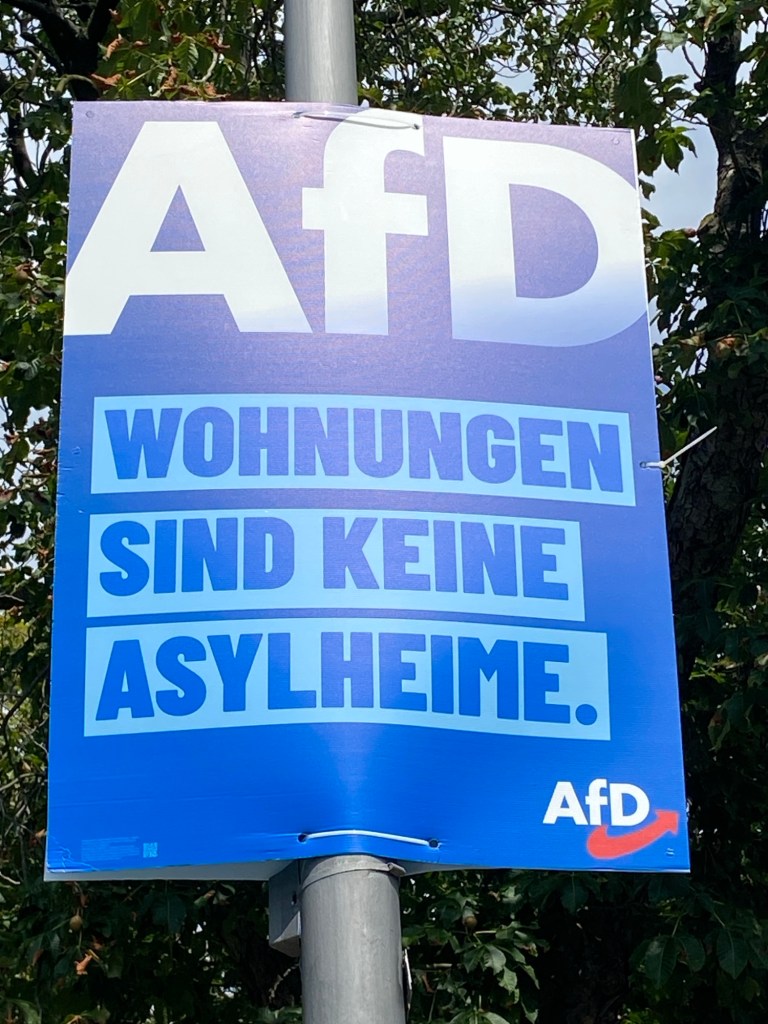
From mild professorial beginnings on the Eurosceptic fringe, the AfD quickly mushroomed into a radical anti-immigration populist party that soon began to attract the attention of the intelligence services. In 2025, the party was described by the Federal Office for the Protection of the Constitution as “confirmed right-wing extremist” – a charge which the AfD disputes.
But with their calls for the mass repatriation of migrants, a return to traditional values, and “everything for Germany”, many of its leading figures use language reminiscent of the darkest times in the country’s history. And some say it is no coincidence that the granddaughter of Hitler’s finance minister is a prominent figure in the party…
The far right’s route to power
So what are the AfD’s chances of taking power in Sachsen-Anhalt on Sunday night?
Germany has a system of proportional representation at both national and regional level – so on the face of it, 43 per cent of the vote would not produce an overall majority. But – and this is a significant but – there is also a 5 per cent threshold in place, under which parties are not entitled to a proportional share of the seats.
This electoral quirk means that if some of the smaller parties narrowly fail to get 5 per cent of the vote, then an absolute majority can be achievable with as little as 45 per cent. And under its charismatic local leader Ulrich Siegmund, this looks within the AfD’s grasp in Sachsen-Anhalt.
Firewall
Even if the AfD ends up short of an overall majority in the new state parliament, the party is still set to win twice as many seats as its nearest rival, the Christian Democrats (CDU). And with such a clear lead, many argue that the AfD would have a moral right to head the next government.
However, the CDU has repeatedly insisted that it will not join a coalition with the AfD – under the so-called “Brandmauer” or “firewall” policy that seeks to keep the far right’s hands away from power. Neither will the CDU work with the post-Communist Left, a party still viewed with deep suspicion 35 years after the fall of the Berlin Wall.
The result? Potential gridlock, with the far left and far right excluded from power, but together able to outvote any combination of the other parties.
Weimar parallels
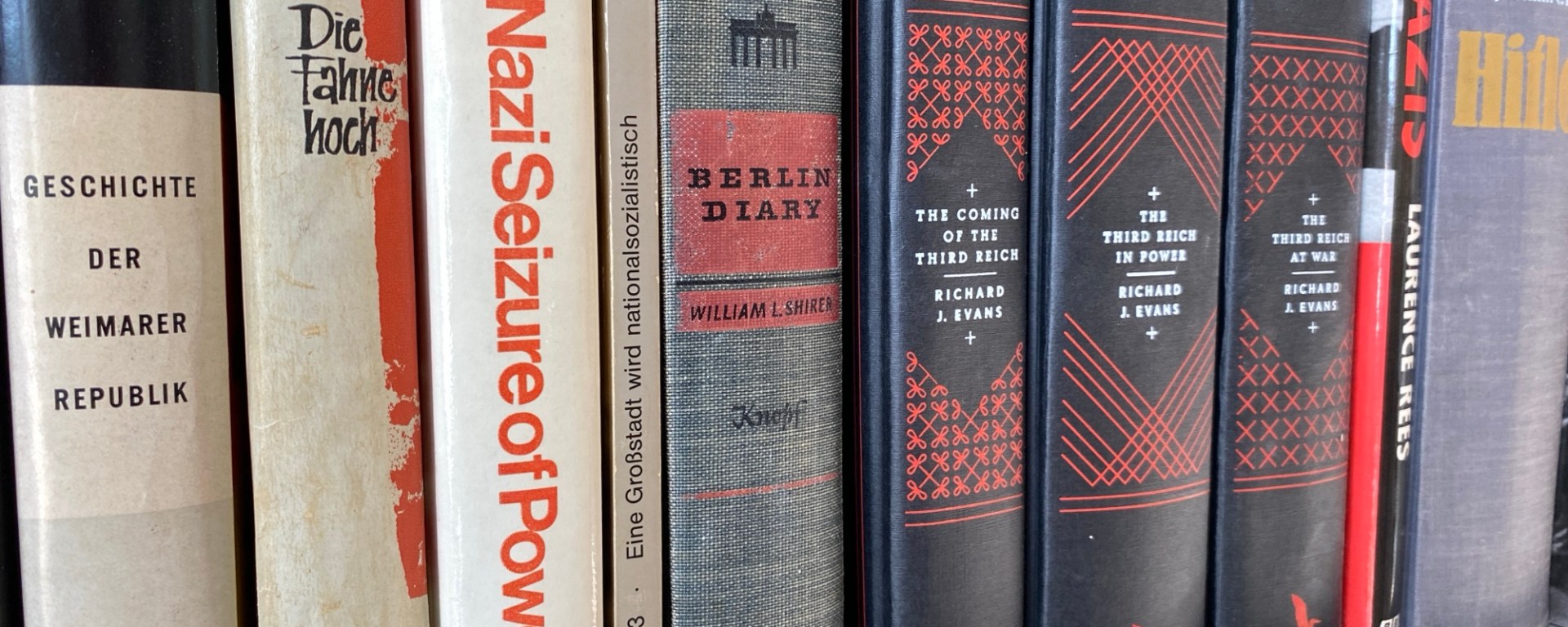
If all this sounds familiar to students of German history, then yes, we have been there before – in the last tragic years of the Weimar Republic. By 1932, the parties of the far left and far right held a majority of seats in the Reichstag between them. Centrist parties committed to liberal democracy could no longer form a government, except – ironically – through presidential decree.
And it was precisely under those circumstances that, in January 1933, Reich President Hindenburg gave up and handed the keys to the chancellery to one Adolf Hitler, initially at the head of a coalition with the conservatives.

High drama
So how can we expect things to unfold when the final results are confirmed in Sachsen-Anhalt on Monday morning?
An AfD majority government would be a catastrophic blow to the established parties, which between them have ruled Germany since 1949. Such a breakthrough in Sachsen-Anhalt would put a rocket under the AfD campaigns in Berlin and Mecklenburg-Vorpommern, where elections are due on 20 September. And there would be extreme pressure for Chancellor Merz to resign after little over a year in office.
We can also expect an eruption of unrest, with high drama across civil society. There was a foretaste of things to come last week, when the public broadcaster Mitteldeutscher Rundfunk (MDR) interrupted its usual programming to broadcast a black screen. It was a protest against the AfD’s pledge to cancel the regional broadcasting treaty if they win power, and shut down the MDR.
“The will of the people”
If the AfD fall short of an absolute majority, and the CDU manage to cobble together a coalition with all the other parties with tactit Left support, the AfD will trumpet this as further evidence of a “cartel” of established forces seeking to thwart the will of the people. Their own poll ratings will continue to rise.
And what if the CDU is tempted to join the AfD in coalition after all? This could be framed as a selfless intervention in the interests of stable government, or – to use the phrase of the conservatives who helped Hitler to power in 1933 – “um Schlimmeres zu verhüten” (to prevent worse things happening).
But the dam would have burst. Germany’s postwar consenus would have been smashed to smithereens with a sledgehammer. Whatever happens on Sunday, turbulent times lie ahead for Germany.

